The Main Venue
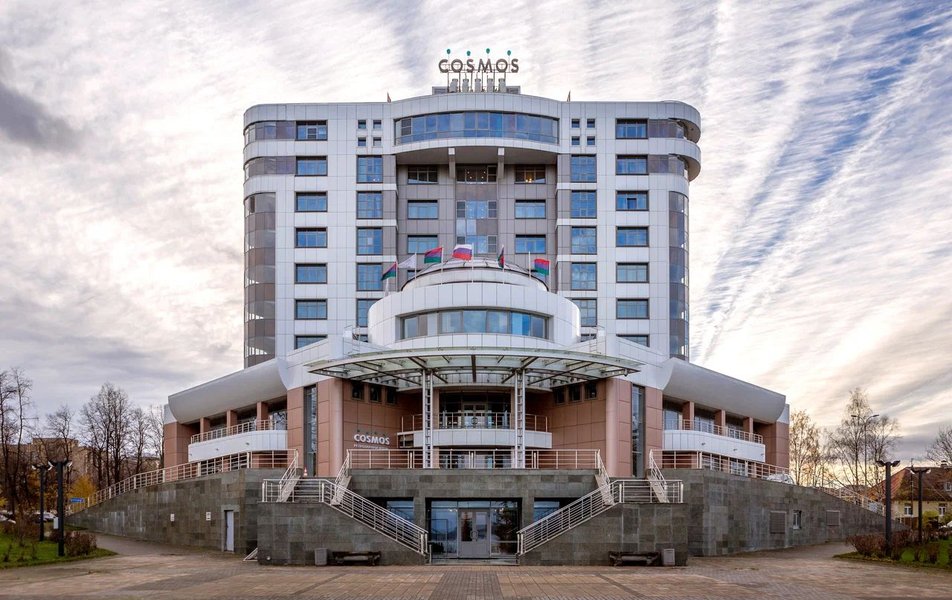
The 4-star Cosmos Petrozavodsk Hotel is located in the picturesque place near the Lake of Onega in Petrozavodsk, at the very heart of Karelia, which provides a great opportunity to appreciate the peaceful beauty of Russian nature and enjoy picturesque views. A trip from Moscow to the hotel includes a train-ride to the city of Petrozavodsk. That's why the organizing committee suggests using train "Karelia" from Moscow, it would provide visitors with best service. Transport accessibility of the Cosmos Petrozavodsk Hotel allow it to be a starting point for trips to the world-famous sights of the republic. A visit to Kizhi, a historical site dating from the 17th century, is planned during the conference.
A special promo code, QUARKS-2026, is available for conference participants.
The organizing committee recommends to take a night train "Karelia" to/from Petrozavodsk.
The Partial Acommodation Hotel
Due to the limitations of rooms at the main venue organizing committee suggests booking Karelia Spa Hotel, which is located in 20 minutes by walk from the main venue. The hotel building is located in a unique historical location: it was here, at the behest of Peter the Great, that construction of an ironworks and cannon foundry began in 1703. The settlement around it eventually developed into the city of Petrozavodsk. Admiring the expanses of Lake Onega from the hotel windows, it's easy to imagine why this place so captivated the Russian king.
A special promo code, QUARKS, is available for conference participants.
Petrozavodsk
/https://cdn.tripster.ru/photos/841da9eb-5830-4056-9f38-6f07dde3a6b6.jpg?width=1200&height=630)
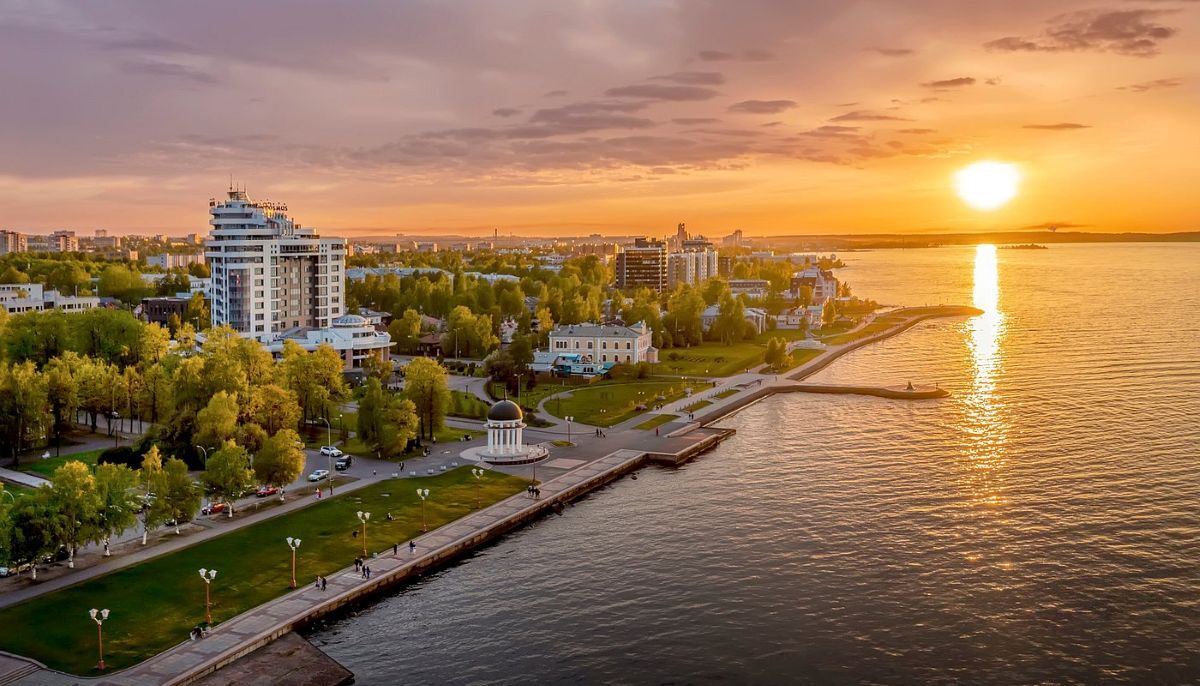
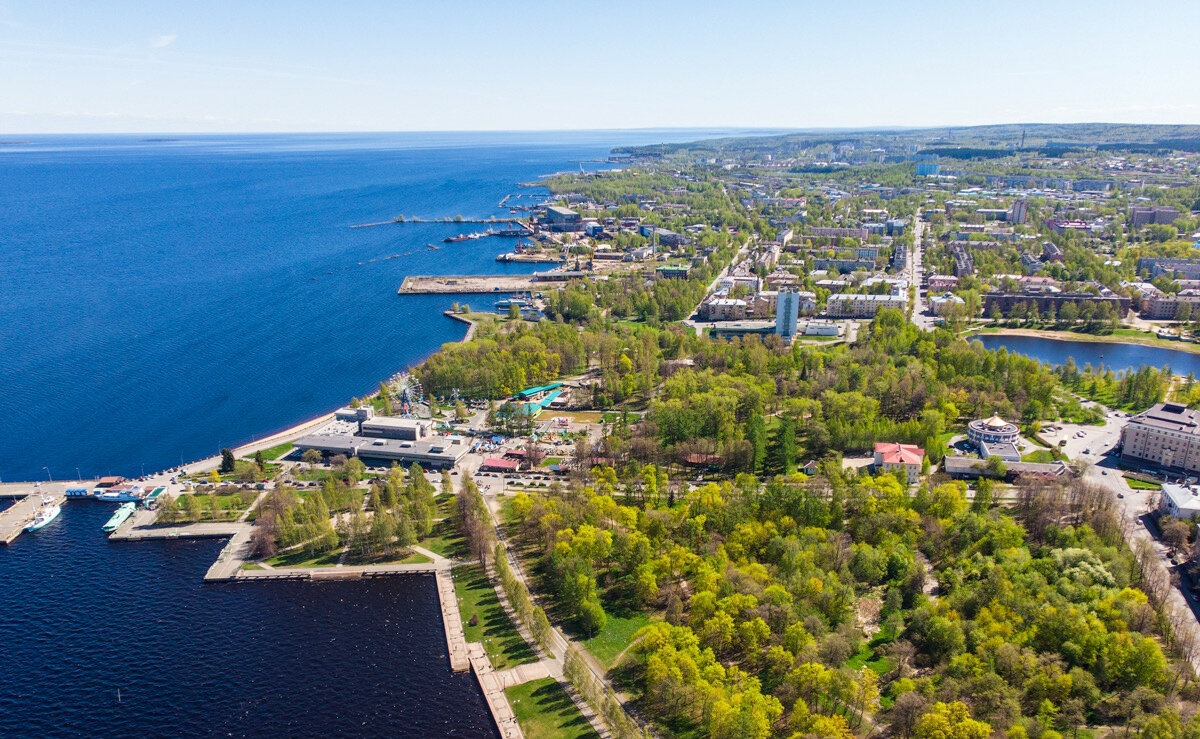
Petrozavodsk is the capital city of the Republic of Karelia, Russia, which stretches along the western shore of Lake Onega for 27 kilometers. The name of the city is a combination of words Peter (Peter the Great) and zavod (meaning factory).
Archeological discoveries in the urban area indicate the presence of settlement as far back as seven thousand years ago, and during the Middle Ages the site of modern city was marked by several lakeside villages.
On 11 September 1703, Prince Menshikov founded settlement of Petrovskaya Sloboda. He did so at the behest of Tsar Peter the Great, who needed a new iron foundry to manufacture cannons and anchors for the Baltic Fleet at the time of the Great Northern War. At first the foundry was named as "Shuysky zavod" (meaning "the factory at the Shuya river"), but a decade later it was renamed after the name of the reigning monarch deriving the present name of the city.
After Peter's death the factory declined until Catherine the Great in 1773 established a new iron foundry upstream the Lososinka River, designed to provide cannons for the ongoing Russian-Turkish Wars. During Catherine's municipal reform of 1777 this place was incorporated as a town. A new Neoclassical city center was then built.
Nowadays, Petrozavodsk is the capital of the republic, which is distinguished among other towns of North Russia by its Neoclassical architecture heritage, which includes the Round Square and the Alexander Nevsky Cathedral.
Kizhi
/https://cdn.tripster.ru/photos/d6e78f9c-6bdd-4503-89d6-a00d27cd7983.jpg)

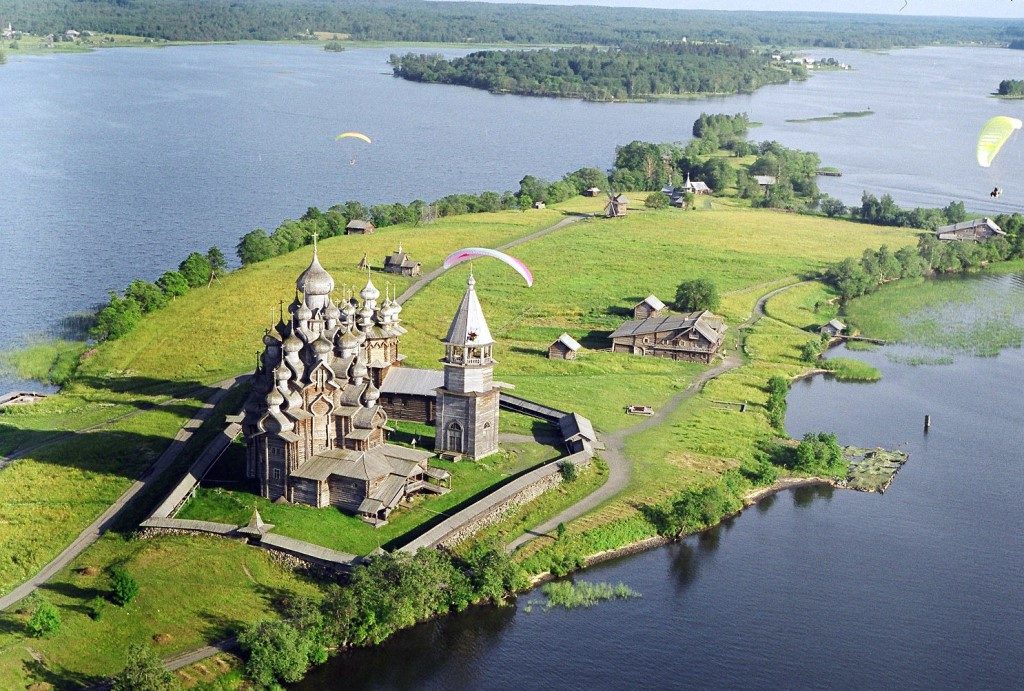
Kizhi Pogost, often called as The pearl of Russia's silver necklace, is a historical site dating from the 17th century on Kizhi island. The island is located on Lake Onega in the Republic of Karelia. The pogost is the area inside a fence which includes two large wooden churches and a bell-tower. The pogost is famous for its beauty and longevity, despite being exclusively built from wood.
The pogost was built on the southern part of Kizhi island, on a hill 4 meters above the Lake Onega level. Its major basic structural unit is a round log of Pine about 30 cm in diameter and 3 to 5 meters long. The Kizhi pogost was built without using a single nail. Many thousands of logs were brought for construction from the mainland, a complex logistical task in that time. The Kizhi Pogost is a unique monument of Russian wooden architecture, a universally recognized masterpiece of world architecture. It is noted for the harmony of its dimensions and shapes, and the artistic unity of its structures, built at different times. The architectural beauty of the ensemble is emphasized by the expressive landscape, which can be considered as a national landscape.
Nowadays, Kizhi Pogost is included in the UNESCO list of World Heritage sites and listed as a Russian Cultural Heritage site.